best modeling clay in India Product Specifications
Industrial
0.35 to 0.53 Watt/Meter/K (w/(m.k)
99
Very Low to Nil
Low
Other
Soft to Medium
Minerals
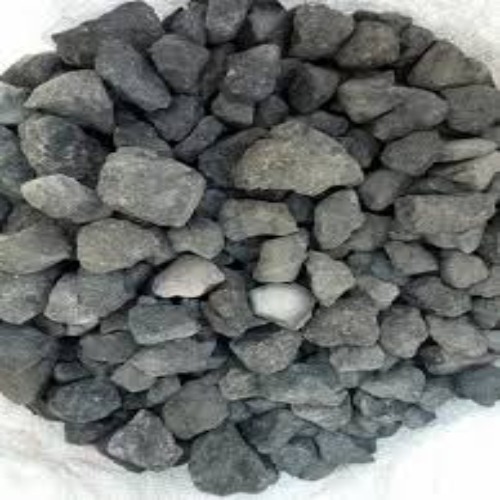
Powder lumps
Regularlly
50 70 C (122 158 F)
2.3 to 2.9
solid
Clay
Solid
Low hardness (soft, pliable)
50 Gram per cubic meter (g/m3)
best modeling clay in India Trade Information
Edible clay
Cash in Advance (CID)
5 Kilograms Per Week
1 Week
No
Free samples are available
Bottle pack
Asia
All India
The Mitticool Clay Jali is a perfect blend of traditional craftsmanship and modern architectural design. Made from 100% natural terracotta clay, these jalis offer aesthetic beauty, cooling comfort, and sustainability all in one timeless creation.
Every jali is handcrafted with care by skilled artisans from India, reflecting the earthy charm and eco-conscious philosophy of Mitticool, the brand known for revolutionizing clay innovations.
---
Key Features of Mitticool Clay Jali
Eco-Friendly & Sustainable Made from natural terracotta clay, completely non-toxic and recyclable.
Natural Cooling Effect Allows air circulation while keeping interiors cool and comfortable.
Artistic & Custom Designs Available in various geometric, floral, and traditional patterns.
Durable & Weather Resistant Fired at high temperatures to ensure long-lasting strength.
Low Maintenance Easy to clean and retains its color and texture for years.
Product Description
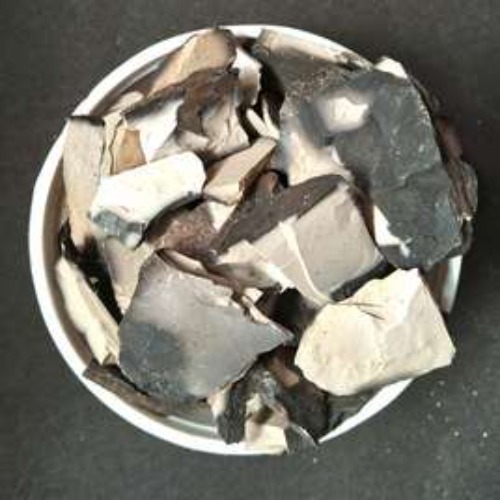
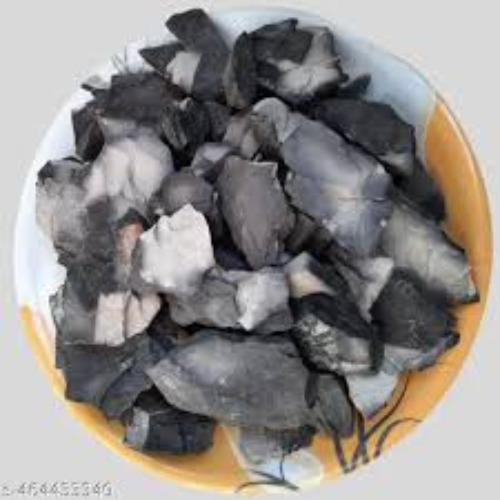
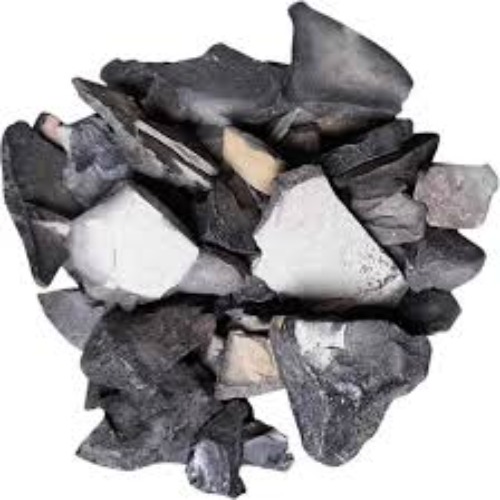
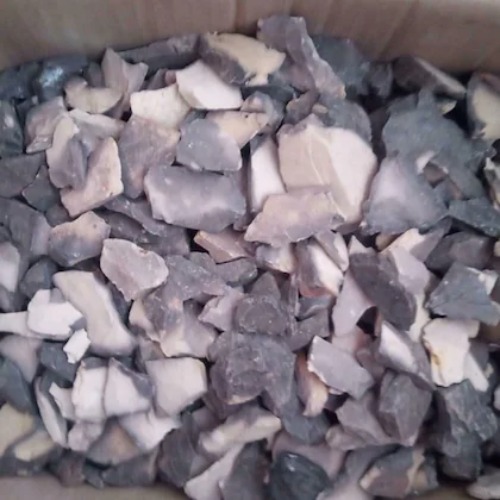
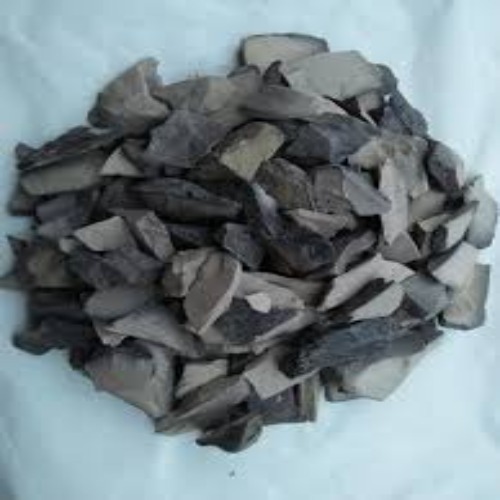
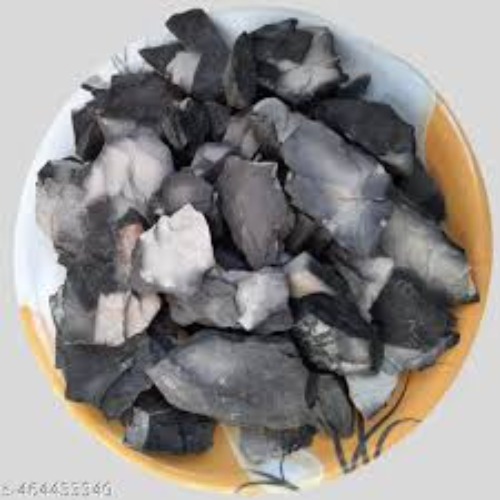
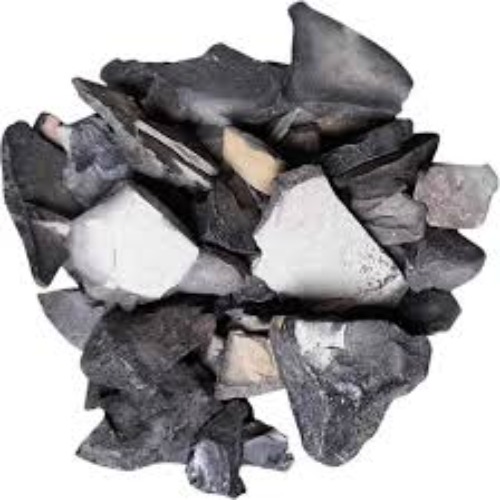
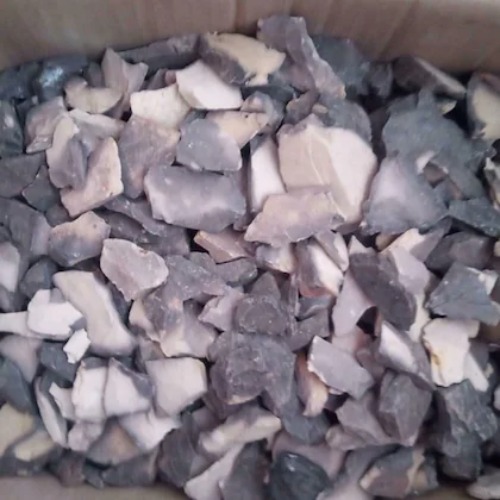
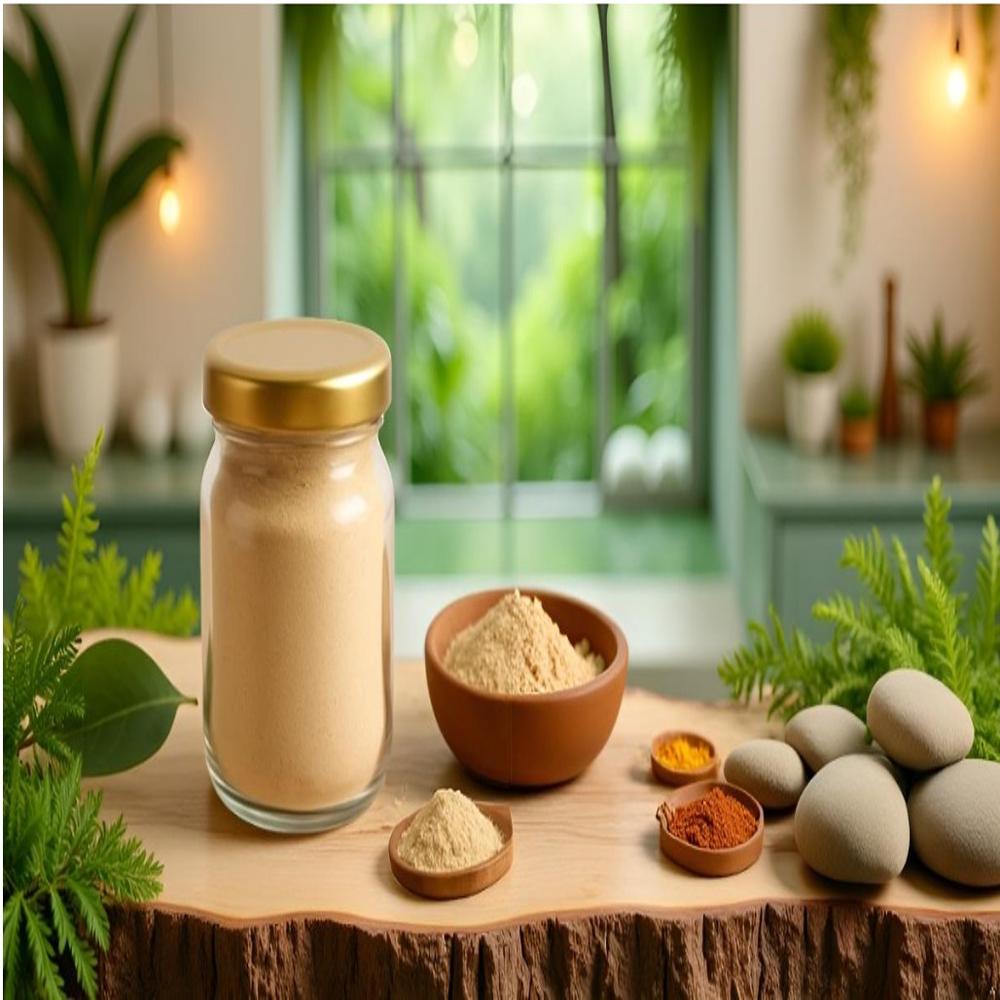
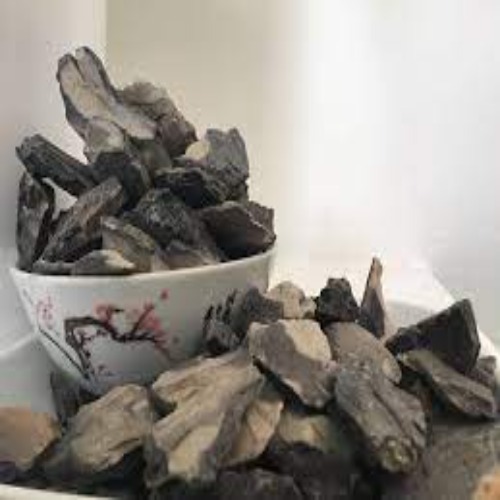
Experience the distinctive texture of this roasted earth. The fragments are crisp on the first bite, dissolving into a smooth, buttery powder. Enjoy the deep, clean, and satisfying earthy scent and taste.
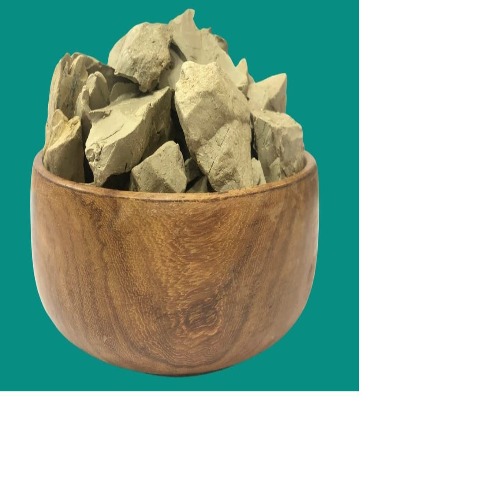
Edible Clay (also known as geophagia clay or Nakumatt) is a naturally occurring mineral earth that is specifically purified and processed for human consumption.It has been used for centuries across various cultures for medicinal, ritualistic, and nutritional purposes.
Core Characteristics
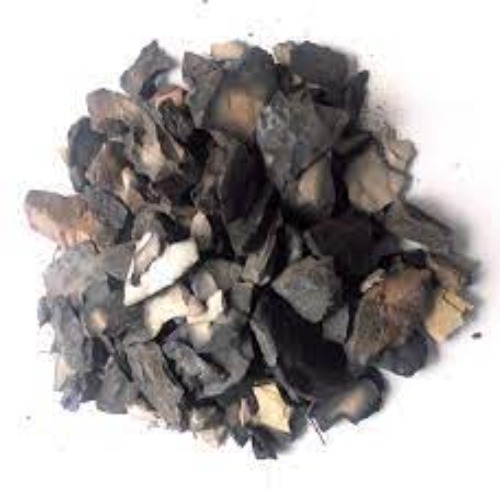
Texture & Taste: It typically has a crunchy, "earthy" bite that turns creamy or pasty when chewed.Many varieties are roasted to give them a smoky aroma and a harder snap.
Mineral Rich: It is naturally packed with minerals like calcium, magnesium, iron, and silica.
Natural Detox: Edible clays like Bentonite have a negative ionic charge, which allows them to bind to positively charged toxins and heavy metals in the gut, helping to flush them out.
Popular Varieties
Nakumatt: A very popular roasted clay known for its deep smoky flavor and "cementy" crunch.
Multani Mitti (Fuller's Earth): Often used externally, but "food-grade" roasted versions are eaten for their cooling properties.
Kaolin (White Dirt): A soft, chalky clay often used as a gentle digestive aid.
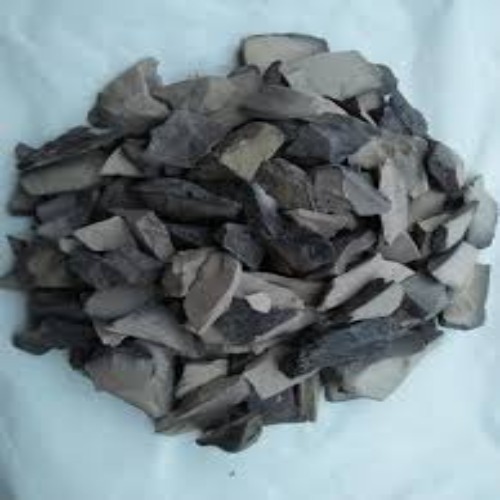
Bhutdo: A traditional grey clay common in parts of India, valued for its smooth texture.
Why People Use It
Digestive Aid: Often used to soothe an upset stomach, reduce acidity, or treat mild diarrhea.
Pregnancy Cravings: In many cultures, pregnant women eat clay to satisfy "pica" cravings or to help with morning sickness.
Traditional Wellness: Used in Ayurveda to balance the body's internal heat (Pitta) and provide a cooling effect.
High Purity & Reliable Performance
With a purity level of 99%, this modeling clay ensures clean, consistent quality suitable for rigorous industrial demands. Its low porosity and very low water absorption provide enhanced performance in environments where dimensional stability and longevity are critical. The clay's irreversible stability and optimal thermal conductivity further make it a preferred choice among industrial professionals in India.
Versatile Industrial Applications
Ideal for regular industrial use, this soft-to-medium strength clay meets the requirements for shaping, modeling, and prototyping. Its low hardness and surface finish allow for outstanding pliability, making it easy to work with while maintaining structural integrity. Available in solid form, it is supplied by leading traders and manufacturers, guaranteeing accessible and dependable distribution nationwide.
FAQ's of best modeling clay in India:
Q: How does the low water absorption benefit industrial modeling clay applications?
A: The very low to nil water absorption prevents the clay from swelling or disintegrating, ensuring stable shape retention during industrial use. This characteristic also reduces the risk of material degradation in humid environments.
Q: What is the recommended usage process for this modeling clay in industrial settings?
A: For optimal results, use the clay in its solid form as powder lumps. It can be shaped and molded at room temperature, and will maintain its structure until exposed to temperatures in the 50-70C range, when it will begin to soften or melt.
Q: When should this clay be chosen over higher-hardness alternatives?
A: This soft, pliable modeling clay is best selected when detailed shaping or frequent reworking is required. Its low hardness makes it ideal for applications where flexibility and ease of manipulation are essential, rather than structural rigidity.
Q: Where can I source this industrial modeling clay in India?
A: The clay is widely available through authorized distributors, exporters, manufacturers, service providers, suppliers, and traders across India. These channels ensure timely supply and adherence to quality standards.
Q: What makes this modeling clay thermally stable?
A: With a melting point of 50-70C and a thermal conductivity rating between 0.35 and 0.53 W/mK, the clay maintains dimensional stability under typical operational conditions and efficiently manages heat exposure within its specified range.
Q: What are the main benefits of the clay's low porosity and high purity?
A: Low porosity ensures minimal moisture uptake and robust dimensional stability, while the 99% purity means fewer impurities, translating to more uniform performance and reduced risk of contamination in sensitive industrial processes.
Tell us about your requirement
Price:
Quantity
Select Unit
50
100
200
250
500
1000+
Additional detail
Mobile number
Email
Name
Comapny Name
Phone Number
Email Id
City / State
Confirm Your Requirement
Verification Code
Did not receive yet?
Resend OTP
You’re Done!
We have received your requirements and will reply shortly with the best price.






 Send Inquiry
 Send Inquiry
 Send SMS
 Call Me Free
