The Mitticool Clay Jali is a perfect blend of traditional craftsmanship and modern architectural design. Made from 100% natural terracotta clay, these jalis offer aesthetic beauty, cooling comfort, and sustainability all in one timeless creation.
Every jali is handcrafted with care by skilled artisans from India, reflecting the earthy charm and eco-conscious philosophy of Mitticool, the brand known for revolutionizing clay innovations.
---
Key Features of Mitticool Clay Jali
Eco-Friendly & Sustainable Made from natural terracotta clay, completely non-toxic and recyclable.
Natural Cooling Effect Allows air circulation while keeping interiors cool and comfortable.
Artistic & Custom Designs Available in various geometric, floral, and traditional patterns.
Durable & Weather Resistant Fired at high temperatures to ensure long-lasting strength.
Low Maintenance Easy to clean and retains its color and texture for years.
Product Description
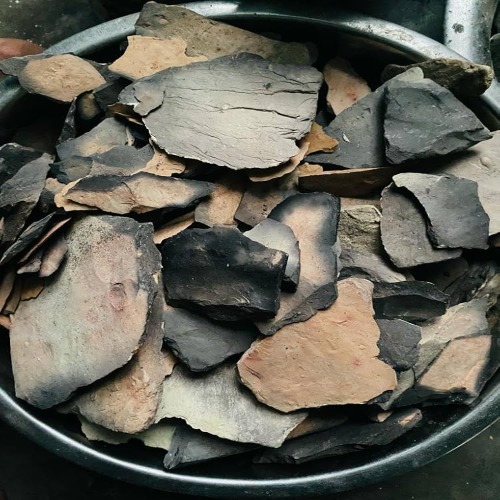
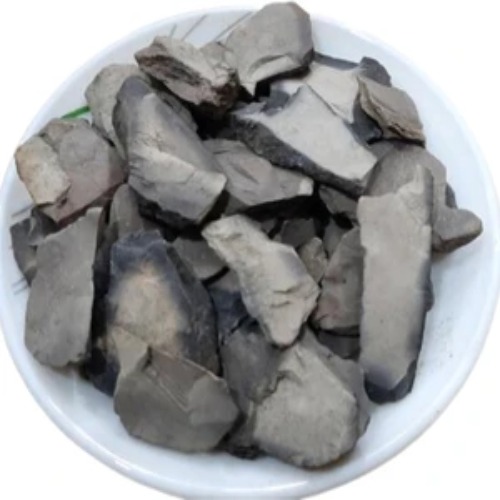
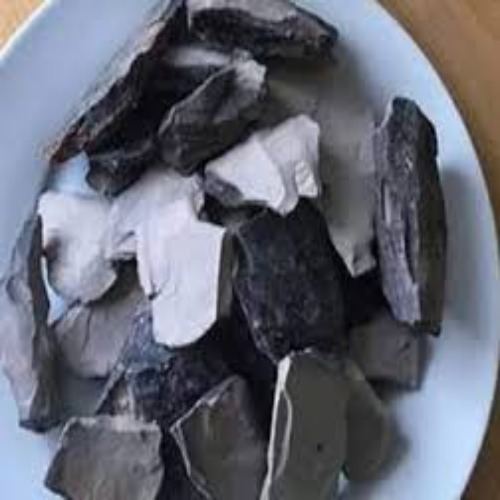
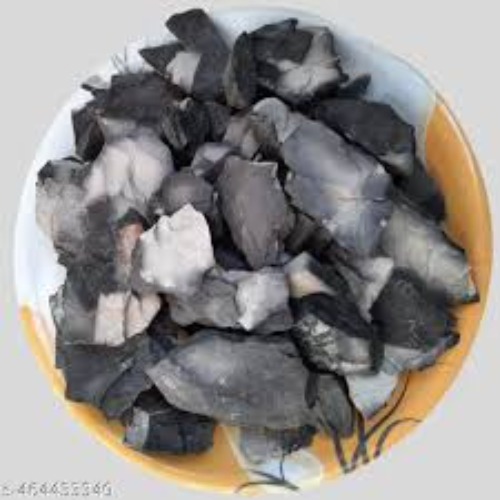
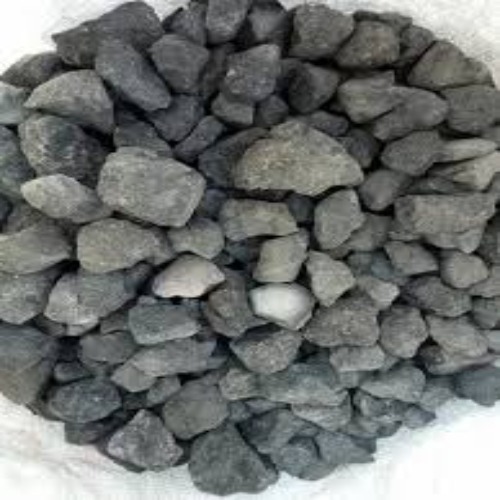
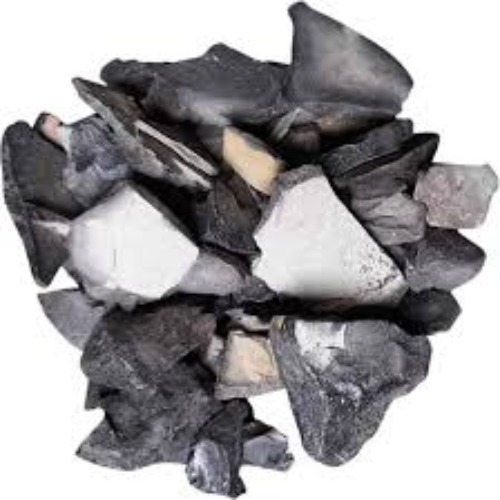
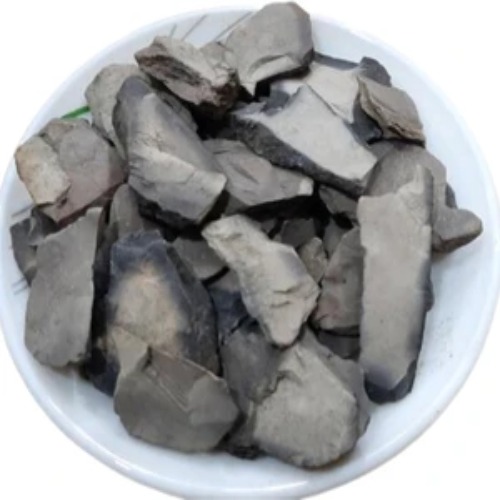
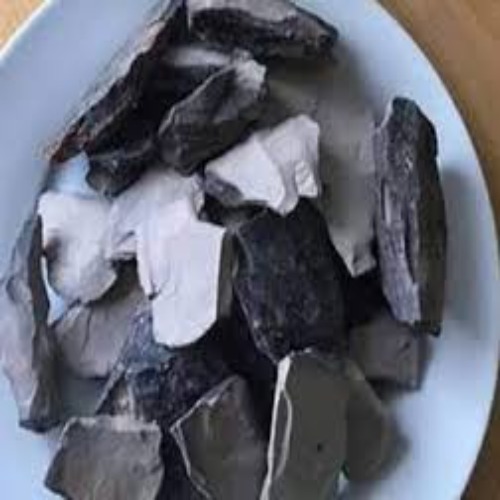
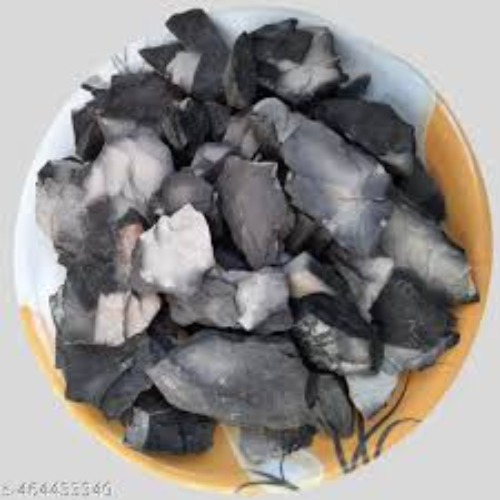
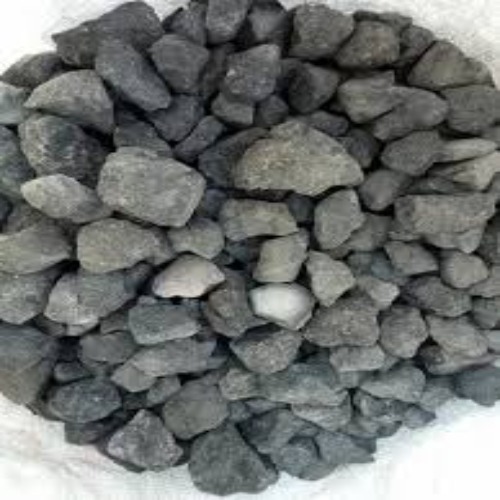
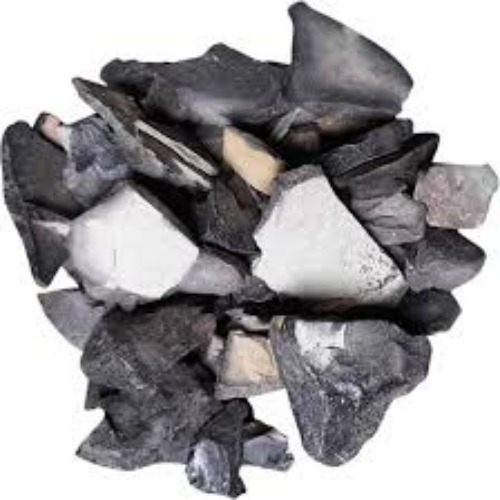
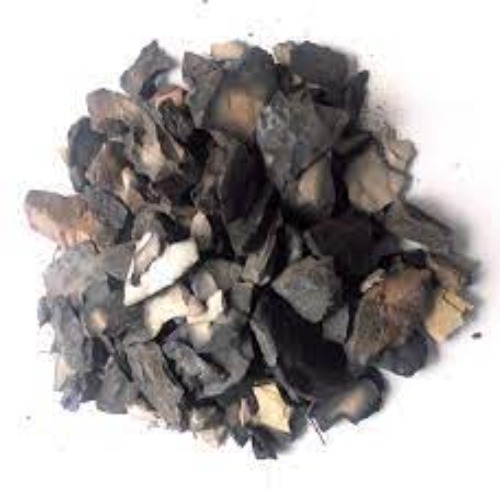
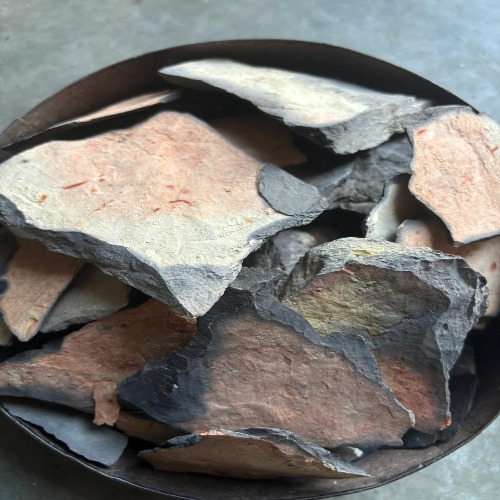
Naturally fractured roasted clay pieces. A beautiful contrast of dark charcoal and pale grey-white layers offers a rustic, organic aesthetic. Ideal for collecting, crafts, or traditional use.
Naturally fractured, dark charcoal fragments with striking pale grey layers. Perfect for rustic decor or collecting.
Edible Clay (also known as geophagia clay or Nakumatt) is a naturally occurring mineral earth that is specifically purified and processed for human consumption.It has been used for centuries across various cultures for medicinal, ritualistic, and nutritional purposes.
Core Characteristics
Texture & Taste: It typically has a crunchy, "earthy" bite that turns creamy or pasty when chewed.Many varieties are roasted to give them a smoky aroma and a harder snap.
Mineral Rich: It is naturally packed with minerals like calcium, magnesium, iron, and silica.
Natural Detox: Edible clays like Bentonite have a negative ionic charge, which allows them to bind to positively charged toxins and heavy metals in the gut, helping to flush them out.
Popular Varieties
Nakumatt: A very popular roasted clay known for its deep smoky flavor and "cementy" crunch.
Multani Mitti (Fuller's Earth): Often used externally, but "food-grade" roasted versions are eaten for their cooling properties.
Kaolin (White Dirt): A soft, chalky clay often used as a gentle digestive aid.
Bhutdo: A traditional grey clay common in parts of India, valued for its smooth texture.
Why People Use It
Digestive Aid: Often used to soothe an upset stomach, reduce acidity, or treat mild diarrhea.
Pregnancy Cravings: In many cultures, pregnant women eat clay to satisfy "pica" cravings or to help with morning sickness.
Traditional Wellness: Used in Ayurveda to balance the body's internal heat (Pitta) and provide a cooling effect.
Exceptional Workability and Softness
Our kiln clay stands out for its low hardness and soft, pliable texture, making it particularly suitable for intricate art and craft applications. Whether you're shaping, molding, or painting, its form allows for effortless manipulation and versatility. This enables artists and crafters to achieve detailed creations and smooth finishes without excessive effort or specialized equipment.
Highly Stable and Pure Material
Featuring a purity of 99.9% and low porosity, this clay maintains a solid surface and irreversible dimensional stability after firing. This ensures your artwork or craft piece retains its intended shape and fine detailing over time. The low water absorption further minimizes warping or cracking during the creative process, making it ideal for both professional and beginner artisans.
FAQ's of Kiln clay:
Q: How should kiln clay be stored for optimal performance?
A: Kiln clay should be stored in a cool, dry environment, away from moisture and direct sunlight. Keeping it in airtight containers helps preserve its low water absorption quality and prevents it from becoming too dry or brittle before use.
Q: What are the main benefits of using this clay for art and craft projects?
A: This clay's softness and pliability make it perfect for shaping and modeling intricate designs. Its high purity and low porosity ensure a smooth, stable finish, reducing the risk of cracks or inconsistencies during kiln firing or painting.
Q: When is the ideal time to apply or work with this kiln clay?
A: It is best to use the clay at room temperature, as the material remains soft and pliable. Avoid exposing it to high temperatures or excess water prior to shaping, as this could alter its unique properties and performance.
Q: Where can this kiln clay be sourced in India?
A: The product is distributed, exported, and supplied by recognized distributors and manufacturers across India. It is available through both direct suppliers and traders, as well as through specialty art and craft material providers.
Q: What is the process for firing this clay to achieve dimensional stability?
A: Shape your artwork as desired and allow it to air dry until it reaches a leather-hard state. Fire the clay in a kiln at 50-70C (122-158F) as per the manufacturer's guidelines. Once fired, the clay achieves its low porosity and irreversible dimensional stability, locking in the intended form.
Q: How does the clay's chemical composition impact its usability?
A: The chemical composition ensures it comes in powder lumps, which allows for even mixing and consistent texture. Its high purity (99.9%) grants a reliable performance for detailed art, craft, and painting applications.
Tell us about your requirement
Price:
Quantity
Select Unit
50
100
200
250
500
1000+
Additional detail
Mobile number
Email
Name
Comapny Name
Phone Number
Email Id
City / State
Confirm Your Requirement
Verification Code
Did not receive yet?
Resend OTP
You’re Done!
We have received your requirements and will reply shortly with the best price.






 Send Inquiry
 Send Inquiry
 Send SMS
 Call Me Free
